Okay, so check this out—I’ve been noodling on card-based hardware wallets for a while. Wow! They look like a credit card, but they act like a tiny, tamper-proof vault. My first impression was simple: convenience wins. Seriously? It almost felt too easy. But then reality nudged me—security trade-offs, UX quirks, and the weird human tendency to treat cards like spare change.
Here’s the thing. Card wallets blur two worlds: physical minimalism and cryptographic robustness. At a glance they’re elegant. At close range they demand respect. Initially I thought a card would be purely novelty, but after using one for months I realized it’s a legitimate tool for day-to-day crypto custody. On one hand it’s delightfully simple; on the other, you must still think like someone managing private keys.
Let me be clear—I’m biased toward devices that reduce friction. But this part bugs me: people often assume « easy » equals « safe. » Not true. There’s a difference between being user-friendly and being error-prone because folks drop security steps. My instinct said: treat the card like cash you don’t want to lose. Treat it like a key. Somethin’ like that.
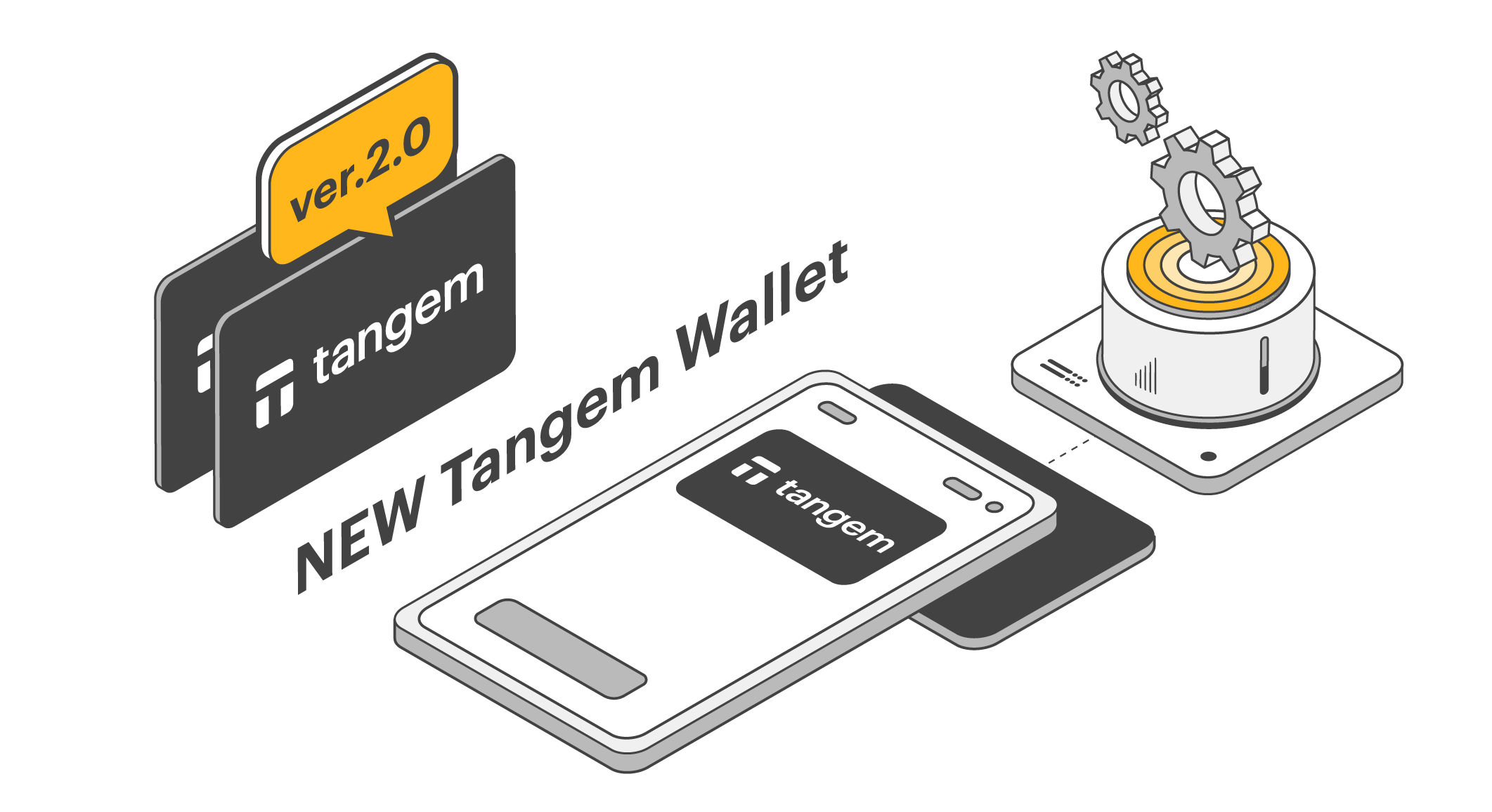
What a Card-Based Hardware Wallet Actually Is
A crypto card stores your private keys in a secure element. It communicates over NFC. You tap a phone. The card signs transactions without exposing keys. Simple flow. But the details matter—firmware, recovery flow, and the card’s lifecycle. Initially I thought every card was the same. Actually, wait—let me rephrase that: they are conceptually similar, though implementation varies wildly.
Many card wallets are fully offline for key storage, which is the point. But some rely on companion apps to orchestrate transactions. On one hand you get convenience; on the other, you add a software dependency. I found that trade-off to be the single biggest subtlety in everyday use, especially when you’re traveling or offline.
Why Tangem Stands Out (Practical Notes)
Okay—real talk. If you’re looking at options, tangem wallet is worth considering. Whoa! The card is thin, durable, and purposely minimalist. My first tap impressed me—the interaction felt natural. It’s faster than fumbling with a seed phrase on a piece of paper during a coffee shop panic. But here’s something: speed shouldn’t replace disciplined backups.
Technically, Tangem uses a secure element to generate and store keys, and each card has a unique hardware-backed identity. That means the private key is never exportable. That’s great. Though actually there’s nuance: recovery strategies vary. Tangem’s approach aims to avoid the human error common to mnemonic phrases by offering backup cards and custodial-like recovery options that are non-intuitive to some users.
Let’s unpack that: traditional seed phrases let you reconstruct keys anywhere. Card-based systems often require issuing backup cards or using a secondary device or custodial fallback. On one hand that’s more user-friendly for people who hate writing down 24-word lists. On the other hand, if you misplace the primary and the backup—or if you don’t follow the vendor’s recovery protocol—you can get locked out. I’ve seen it happen. It’s uncomfortable to watch.
User Experience: Tap, Confirm, Done (Mostly)
Tap. Confirm on your phone. Done. Short flow. But hold up—confirmation screens matter. Medium-length warnings that people ignore are useless. You need clear prompts and an obvious audit trail. If the companion app hides details, that’s a red flag. I noticed a few apps that oversimplify the UX to the point where advanced metadata is missing. That bugs me.
One scenario: sending an NFT or interacting with a DeFi contract. The card will sign. But you should still verify the transaction content on a trusted device. If you don’t, you’re trusting the app. On one hand users get a slick experience. On the other, they may be exposed to smart contract approvals they don’t understand. My advice? Pause. Read. If somethin’ looks off—stop.
Security Trade-Offs You Need to Weigh
Security isn’t binary. It’s a set of trade-offs. Short sentence. Medium sentence explaining a nuance. Long sentence that ties it all together and explains how the trade-offs align with real behavior, because people make mistakes and the best system accepts that reality and reduces the scope for human error through both design and documentation.
Card wallets reduce attack surface by keeping keys offline, which is huge. But they introduce single-point-lost risks (you lose the card) and recovery friction. If you rely on multiple cards as backups, you must store those backup cards geographically separated. That’s obvious, but folks forget it. Also, think about supply-chain integrity—buy cards from reputable channels, not sketchy marketplaces. My instinct said: don’t cheap out on the physical medium.
Practical Tips for Card Owners
Here’s a quick checklist from the real world—simple steps that helped me and others I know:
- Register and test the card in a controlled scenario. Seriously test it.
- Create backups per the vendor’s recommended method and verify them periodically.
- Store backups separately—home safe, bank deposit box, trusted friend—diversify risk.
- Keep firmware and app updated, but verify updates through official channels.
- Practice restoring funds in a simulated environment before you need it.
Those steps seem basic. They are also the most skipped. On one hand people buy hardware for safety; on the other, they ignore maintenance. That contradiction is a recurring theme in crypto custody.
Real-World Scenarios Where a Crypto Card Shines
Traveling light? A card is great. Tap at a secure terminal or sign via phone without revealing your seed. Gifting crypto? A sealed card makes for an elegant, physical present that still holds value. Want cold storage with better ergonomics? A card is less awkward than a ledger in a pocket.
But if you’re a heavy DeFi trader or someone who regularly composes complex transactions, you might prefer a more expressive device with a screen that can display contract data. It’s not one-size-fits-all. On balance, Tangem-style cards are excellent for everyday holders, HODLers, and people who prioritize simplicity over raw on-device transaction inspection.
Common Questions
Is a crypto card as secure as a hardware wallet with a screen?
Short answer: comparable, but different. Both use secure elements. A device with a screen can show transaction details, which helps against certain phishing attacks. A card is more minimal, which reduces attack surface but increases reliance on the companion app to present accurate info. So it depends on your threat model.
What happens if I lose my card?
If you followed the backup procedure, you can recover using backups. If not—then you’re out of luck. That’s the harsh truth. Test recovery early, not after a mishap. I’m not 100% sure of every vendor’s exact recovery steps, so double-check with Tangem’s documentation for specifics.
Can the card be cloned or hacked via NFC?
Cloning a card that uses a secure element is extremely difficult and not practical for most attackers. NFC introduces a communication channel, but the private key never leaves the chip. Still, maintain normal precautions: don’t tap your card to untrusted devices, and keep physical control of it.
Laisser un commentaire